Quietshore
Navigation
Home
Legal
PrivacyTermsCookies
Go at your own speed

Walk a shoreline. Find what remains.

A game about paying attention, time, and what you learn from a beach.

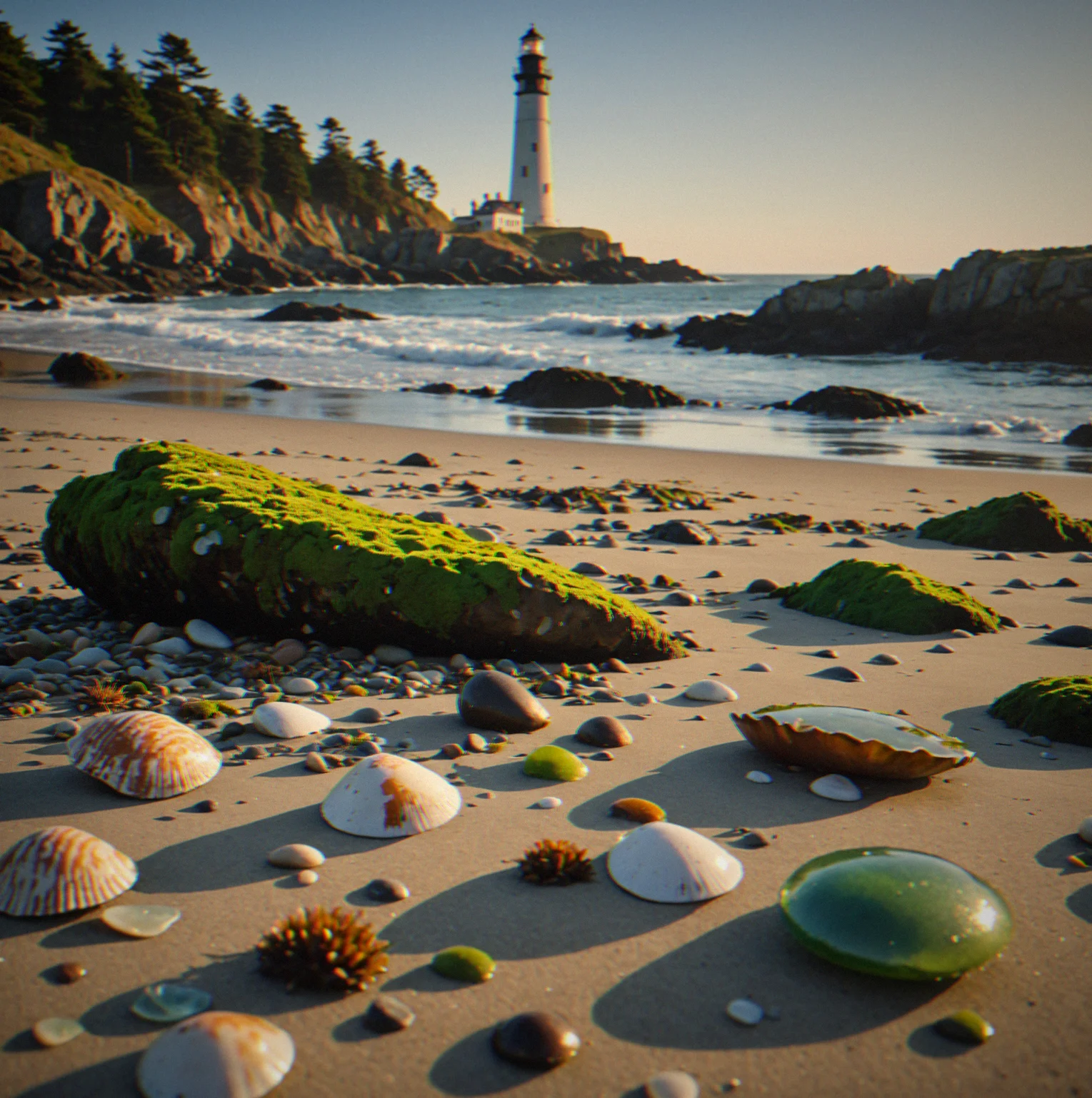
A rocky shoreline at dusk with waves breaking against moss-covered stones, kelp scattered across wet sand, and a distant lighthouse silhouette

Quietshore is built around one continuous stretch of beach you'll walk through many times. Each pass shows you something new—not because the game hid it, but because you're seeing it differently now. Collect objects worn down into fragments of someone else's life. Read the sand and rocks like notes in a journal. The story builds itself as you get curious about things, no dialogue or quest markers needed.

Everything in the world was hand-placed. Every detail is there for a reason. Kelp collects at the tide line exactly where it should. A lighthouse keeper's last entry sits where you'd actually find it if you're looking. Four to six hours of walking but it doesn't feel like clocking time—it feels like being on a real beach, thinking.

You finished Outer Wilds and couldn't stop thinking about it. Kentucky Route Zero made you believe games could be quiet and thoughtful. You walk real beaches and notice things. This is the game for you.

Learn more

How it works

The shoreline as method

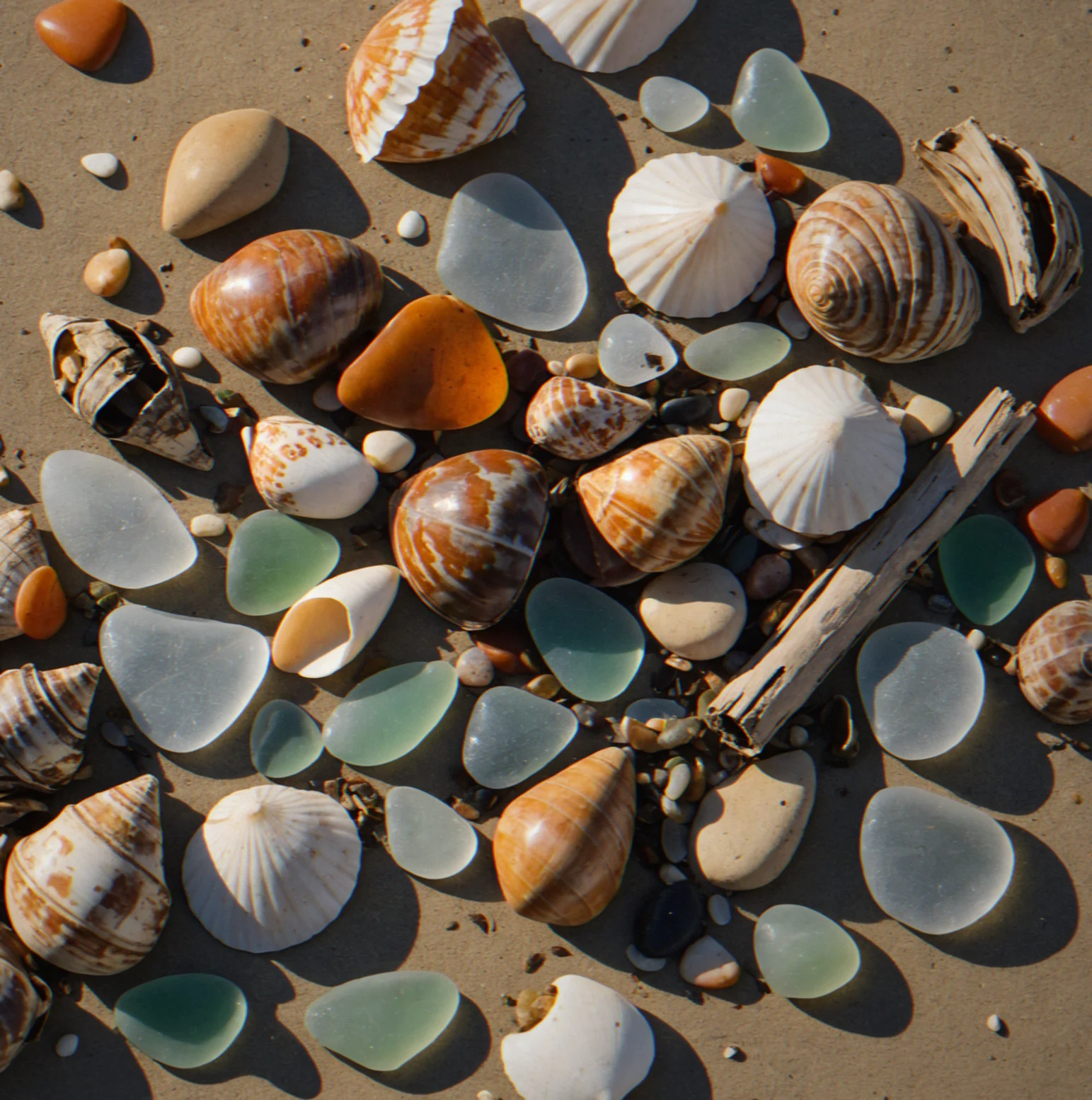
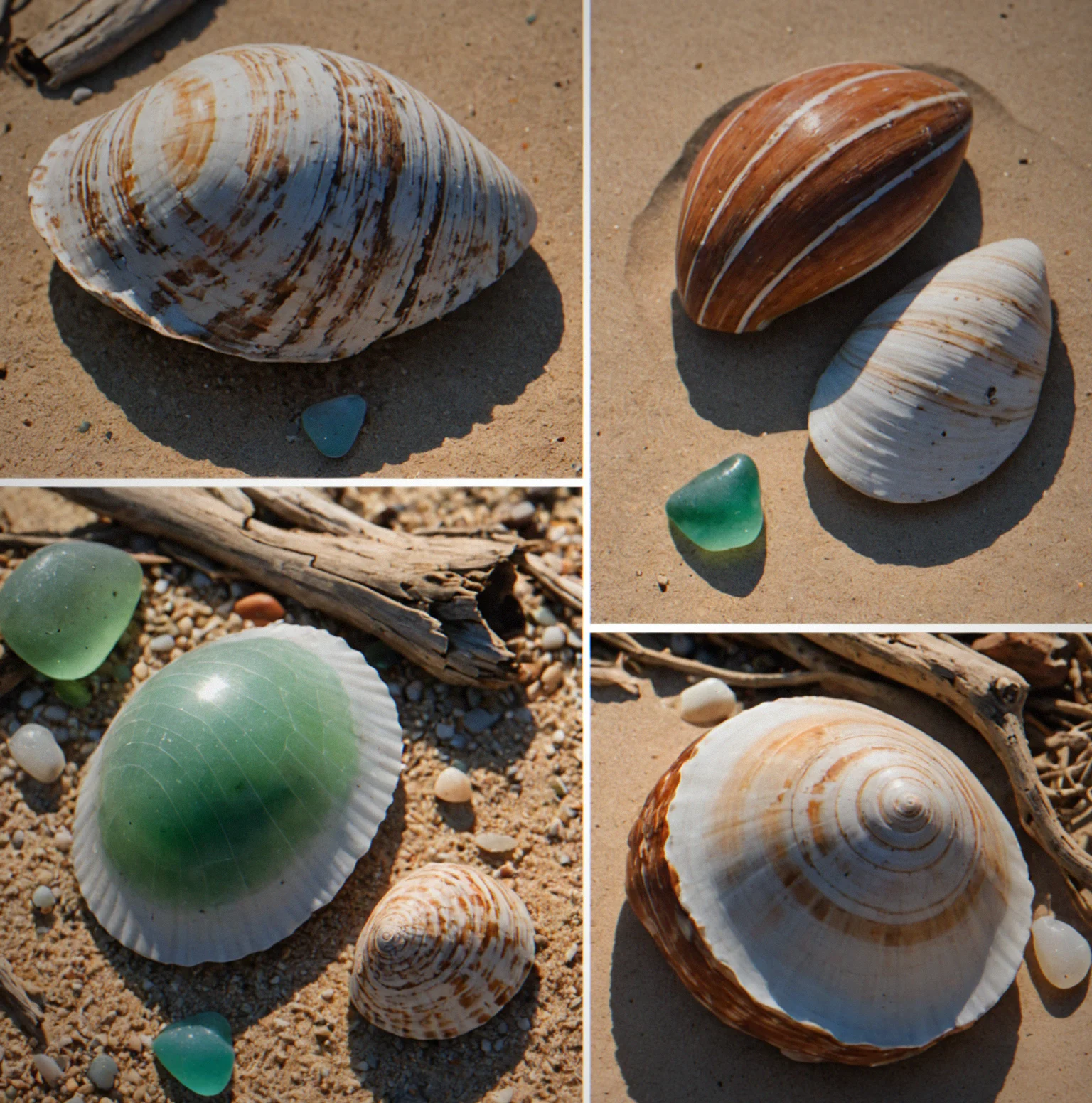
Kelp and shell debris arranged along the tide line at the waterline, casting long shadows in afternoon light

Quietshore doesn't spread across a map. You walk the same stretch of beach over and over and each time you notice something you missed or something that's changed. The shoreline is fixed. You can know it. But it won't let itself be fully known—like a real beach. Stuff shows up wherever the tide leaves it. The lighthouse keeper's notes are scattered across the years. You build a story by collecting these pieces, not by following a path someone already made. This changes how you move. You're not chasing progress. You're actually paying attention. Most players slow down after the first hour of aimless walking. Your eyes start working. Things appear that seemed invisible at first.

1
continuous shoreline to explore
4–6
hours for first complete playthrough
1847
individually placed objects on the beach
15
years spanned by the lighthouse keeper's logs
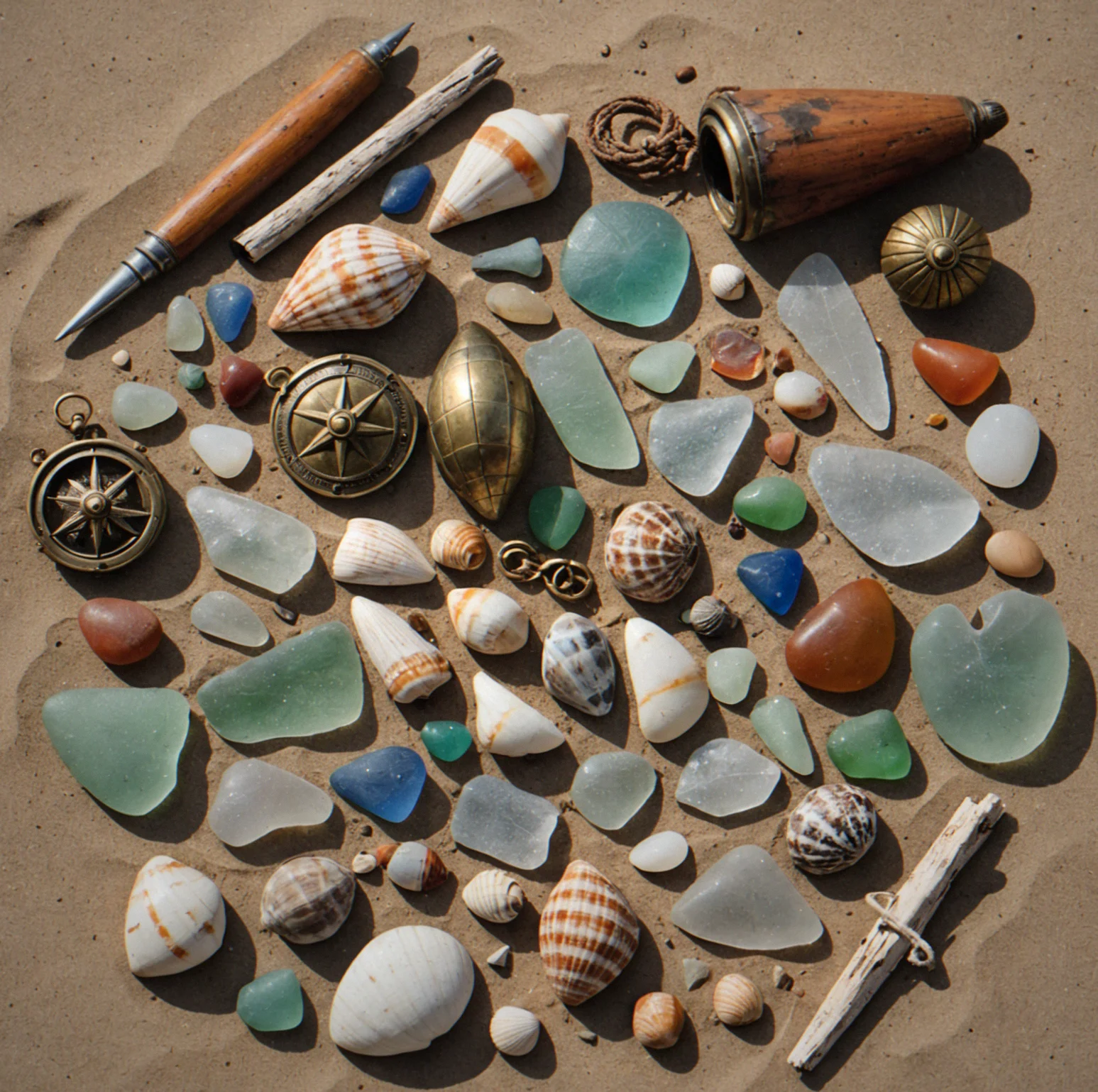
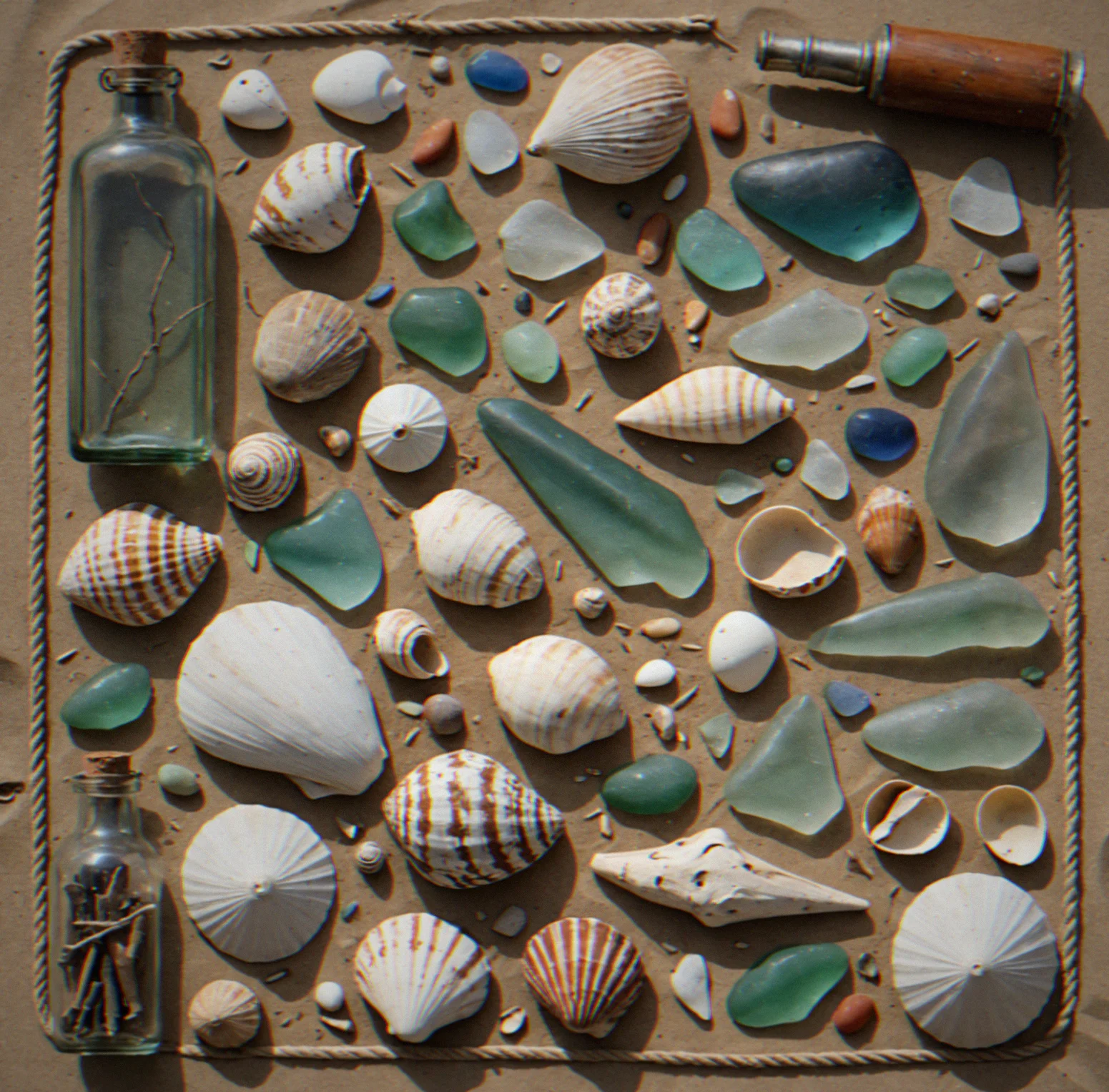
A collection of found items arranged on sand: weathered photographs, a brass compass, pages from a journal, sea glass
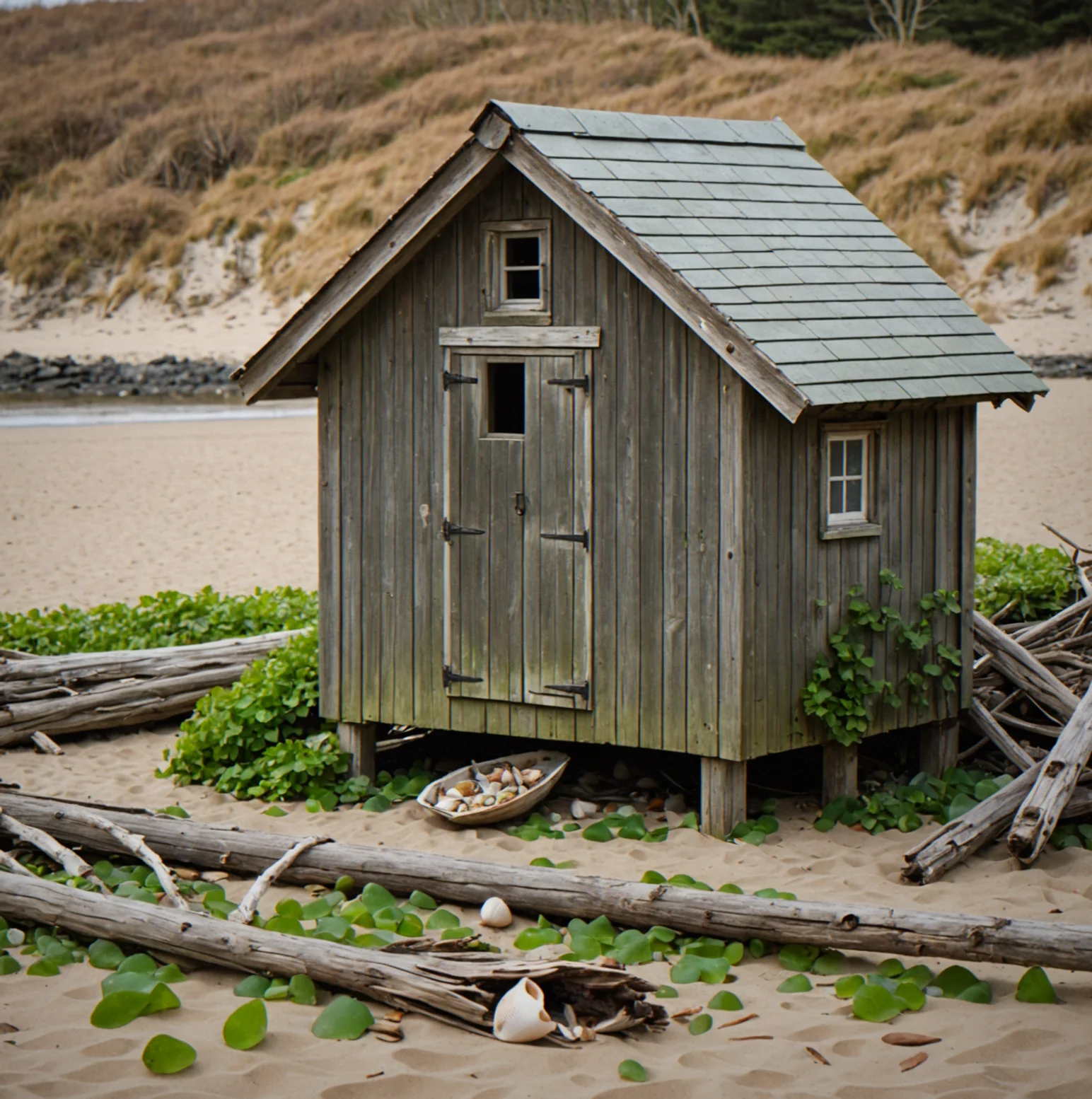
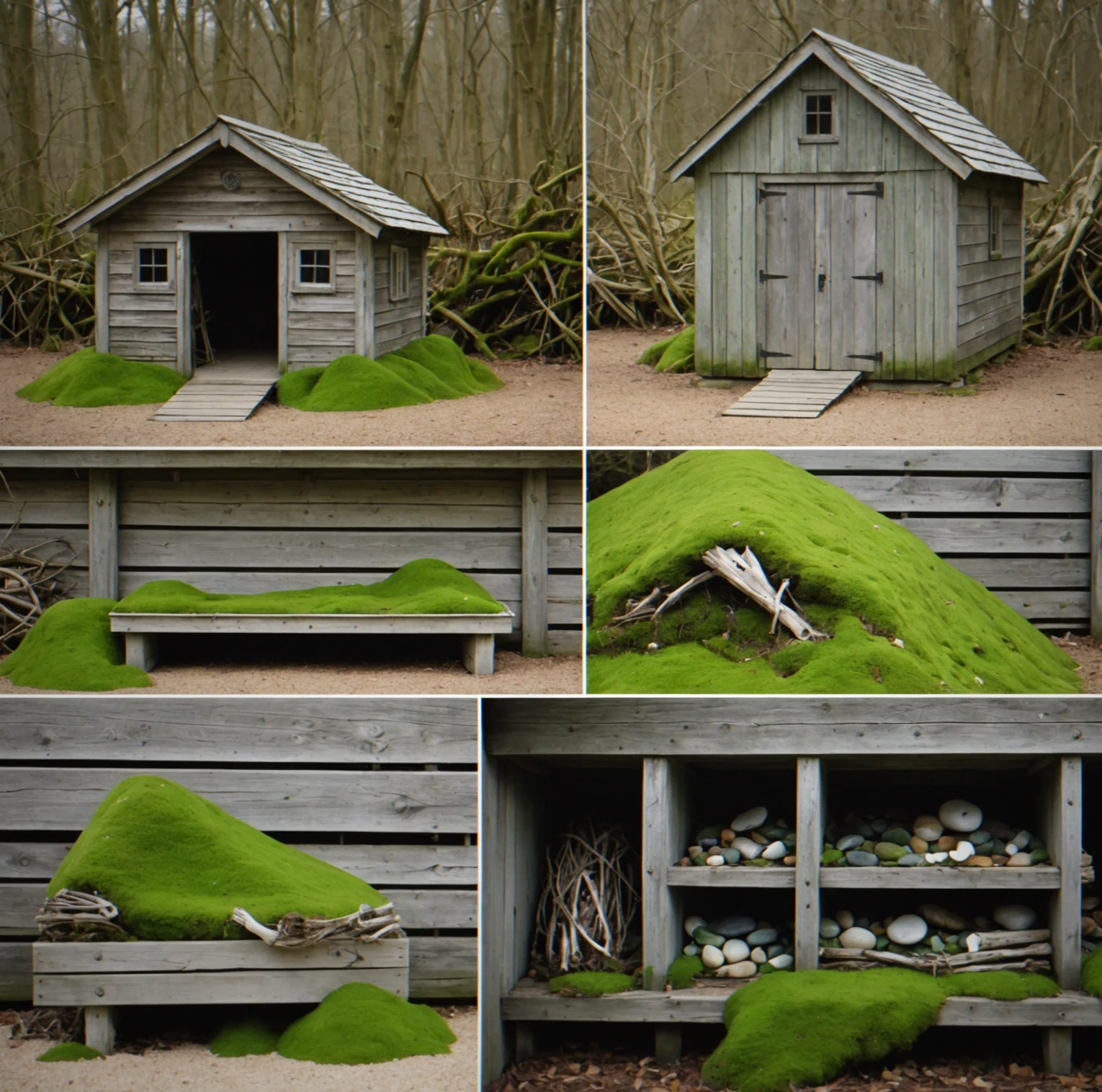
An old wooden boathouse viewed across three seasons: summer with green growth, autumn bare, winter snow-covered

Non-linear narrative

No quest log or markers pointing you toward story moments. You piece the narrative together from what you find—a photo, someone's name carved into wood, loose journal pages. The order matters. Same clues in a different sequence tell a different story.

Hand-crafted environments

Every rock, stick, and rusted nail got placed on purpose. Nothing's procedurally generated. The beach has real geography—where sand piles up, where rocks cut into the shore, how the light moves through the day.

Beachcombing as gameplay

Playing means walking and looking. Pick something up. Study it. Your cloth bag holds only so much, so you decide what stays and what you leave behind. Finding is playing.

Seasonal progression

The game runs through a full year. Summer hangs onto the light. Winter's short and dull. Same places look different in each season. Some things only appear at certain times. The beach keeps its history.

Meditative pacing

There are stretches where you find nothing for twenty minutes straight. That's intentional. Walking without pressure to accomplish something shifts how you pay attention. The attention itself becomes the point.

Designed for return

Playing again takes two to three hours and feels fresh. You know the threads now. You catch what you missed. Some psople come back when the seasons change in real life, replaying to watch the beach shift.

Core experience

What you'll actually encounter

1

One shoreline, walked over and over

The beach stretches maybe a mile. You cross it dozens of times during the 4 to 6 hours you play. Something new shows up each time, though the shore doesn't actually change. Your brain does. By the fifth walk you're noticing things in the sand you missed before.

2

Things left behind that speak for themselves

A photograph with worn edges. A journal scattered across the beach in the wrong order. A kid's drawing still visible under the water damage. These aren't items you need for a quest. You pick them up and piece together what happened.

3

Everything placed by hand, nothing random

Someone positioned every detail. The kelp sits where the tide would actually leave it. The boathouse falls apart the same way across seasons. Sunlight hits the driftwood at the right angle at specific times. That kind of attention makes the place feel real, like someone lived here.

4

You build the story, not the other way around

There's no dialogue wheel or quest marker. Five narrative threads exist on the beach—the lighthouse keeper's old logs, a family's decades of visits, a wreck from 1987, unsent letters, a collection of sea glass. Which ones you find, the order you find them, what you connect together—that shapes what you understand. Some people finish without finding everything. That works too.

5

Empty stretches and sudden finds

You'll walk twenty minutes with nothing. That's not filler. Moving without pressure to solve anything changes what you see. Details stick out. When you find something, it matters because you actually looked for it instead of following a marker.

Why Quietshore

What makes this different

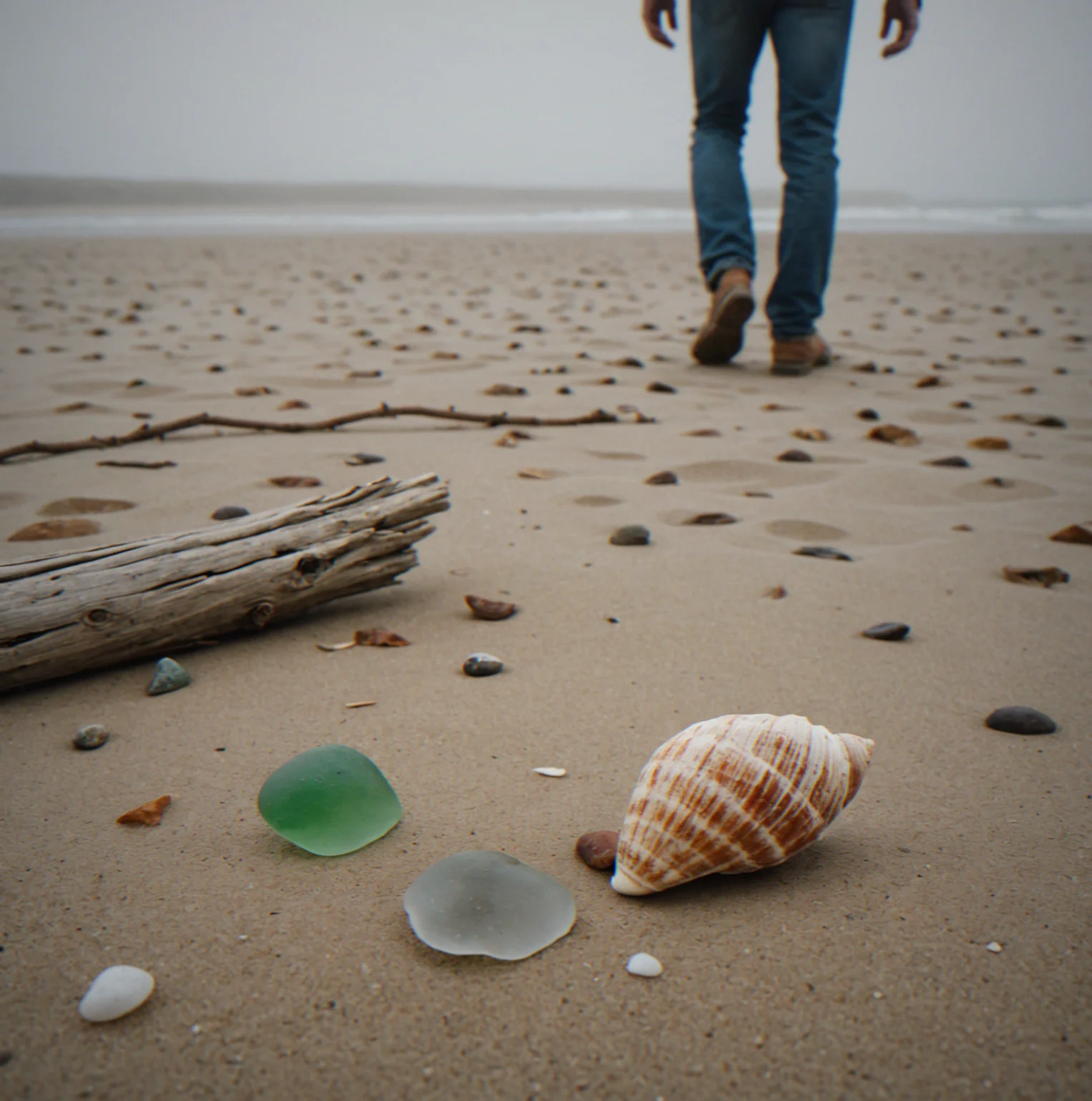
A solitary figure walking along a foggy shoreline with no visible destination or markers, just sand and mist

You move at your own speed

No countdown. No objectives flashing at you. Spend half an hour walking the beach and see nothing, or lose a whole afternoon in one spot. The game doesn't chase you. It just lets you dceide when to move. That becomes meditative fast.

The same stretch of rocky beach photographed in four different seasons, showing subtle changes in light, vegetation, and weathering

The world stays put. You come back to it

What's a walking game without walking? You get roughly a mile of shoreline. That's the whole thing. No teleporting to new zones, no areas unlocking as you progress. So you actually look. That rock you passed yesterday looks totally different at sunrise. The boathouse isn't just there—it's falling apart through the seasons, and watching that decay shows you something real about time.

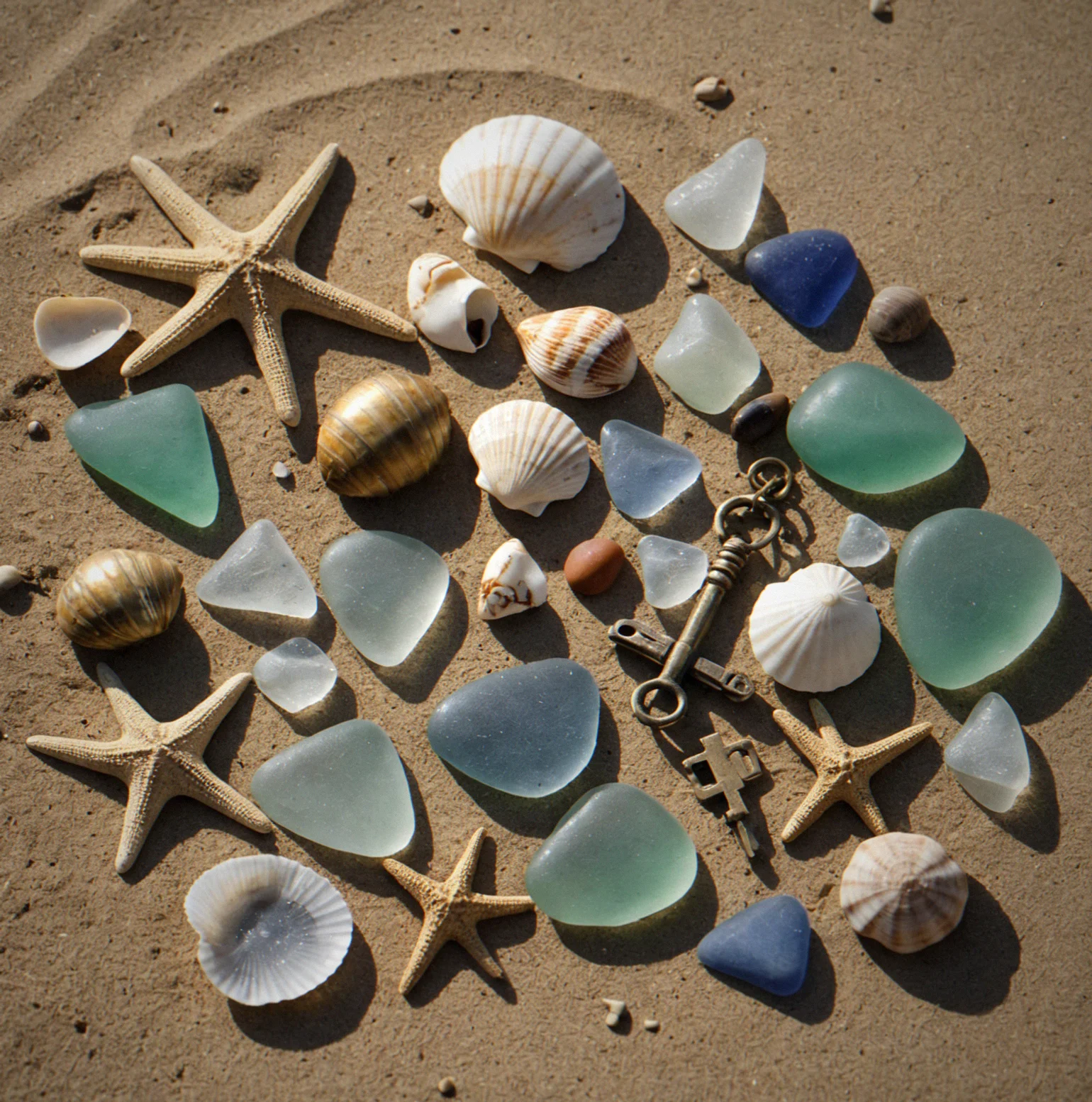
A worn photograph, a brass key, handwritten letters, and fragments of glass arranged in sand with natural lighting casting shadows

Objects are clues, not collectibles

You find a photograph. Take it or leave it there. The story doesn't lock you out for missing things. Maybe you never find the first page of the journal. Maybe you finish without knowing what happened to the lighthouse keeper. That's fine. That's kind of the whole idea. Your story is whatever you actually found.

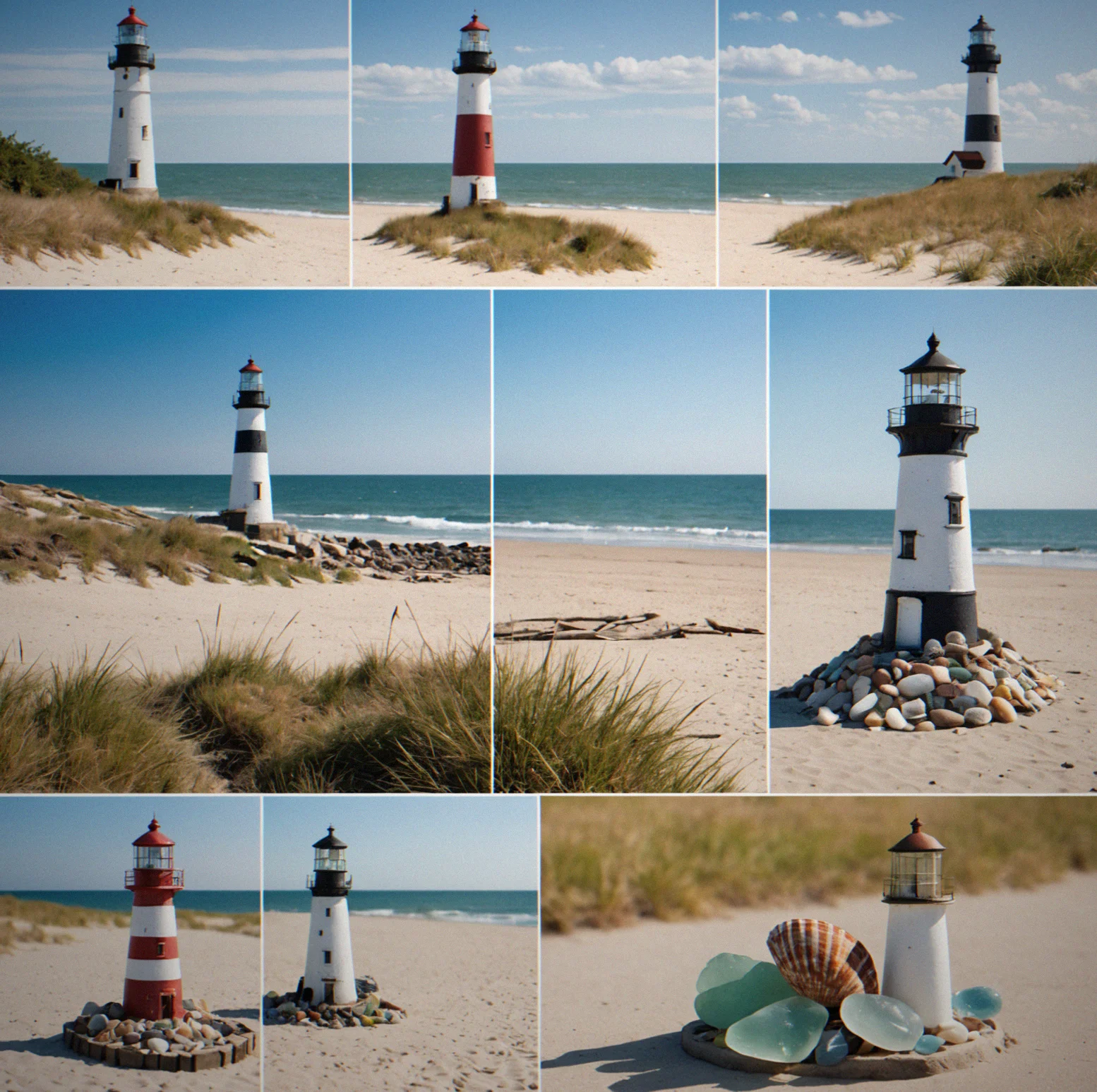
A lighthouse and shoreline viewed across four seasons arranged in a grid, showing distinct weather, light, and color shifts

Designed to be played more than once

You finish in a few hours and think that's it. Except the second run hits different once you know what the objects mean. You'll catch things you missed the first time. Some people come back when the seasons change to replay in winter or summer—and that actually matters. The game shifts with the seasons, so coming back feels like something earned.

Explore the shoreline

Ten aspects of what you'll experience

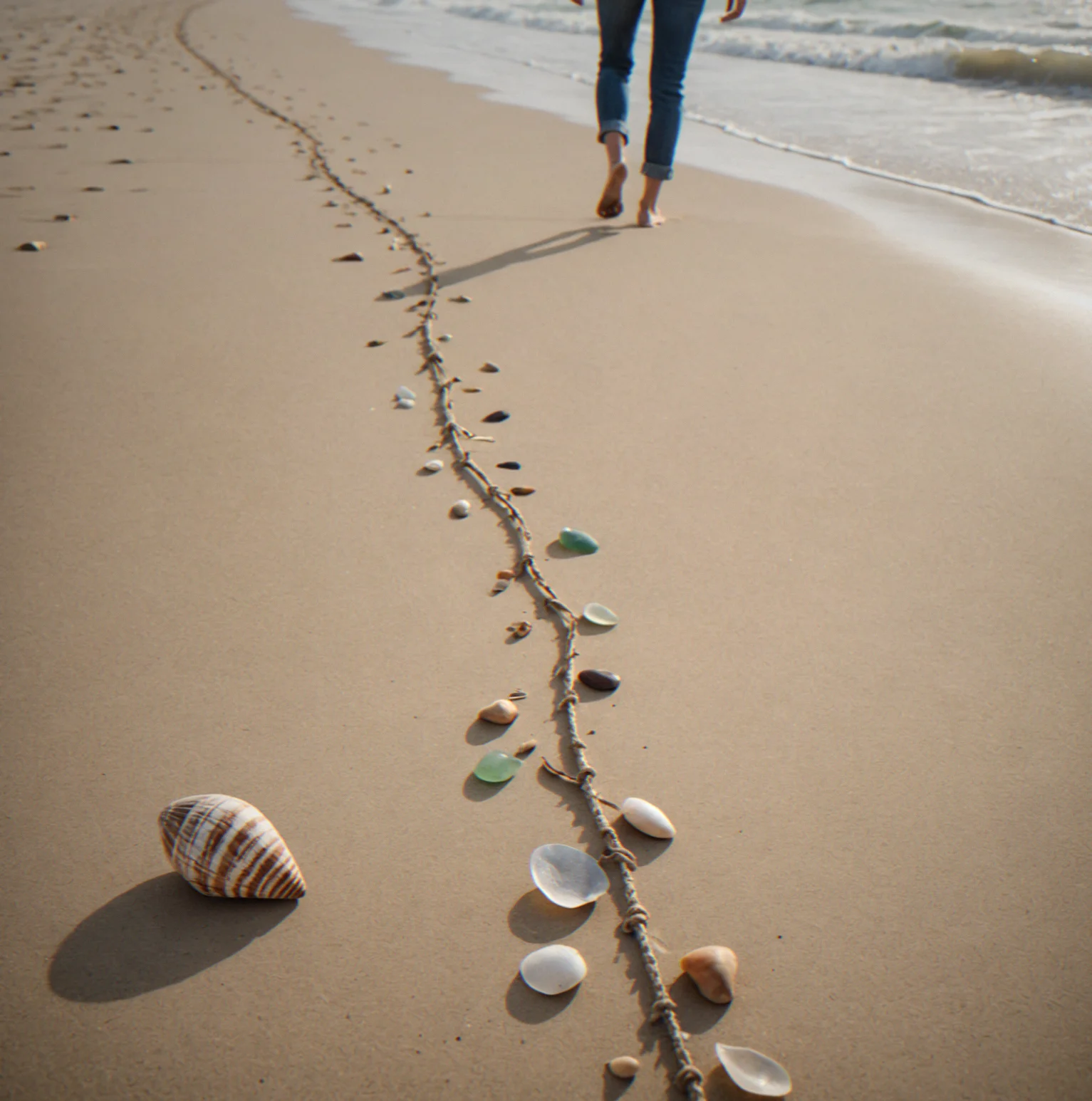
A figure walking along a wide sandy beach with footprints trailing behind, under an overcast sky

Walking as meditation

You move across sand with nowhere to be. The rhythm of your footsteps, the sound of waves, the feel of wind—these aren't just background noise, they're the whole thing. Most people find themselves slowing down after the first hour or so. That shift changes something.

A rocky outcrop on the shoreline photographed at four different times of day, showing dramatic shifts in shadow and color

Light changes everything

The beach at 4 PM in November is a completely different place than it is at 7 in the morning in July. Light hits the water and rocks in totally different ways. Shadows stretch out or vanish entirely. The game moves through seasons and times of day—what you see depends on when you show up.

Weathered objects arranged on sand: handwritten letters, a faded photograph, a glass bottle with paper inside, driftwood

Objects tell stories without dialogue

A photograph worn soft at the edges. Journal pages scattered across the sand. A child's drawing still readable even after salt and water got to it. You can pick them up or walk past. What you collect and the order you find things shapes the story you end up with.

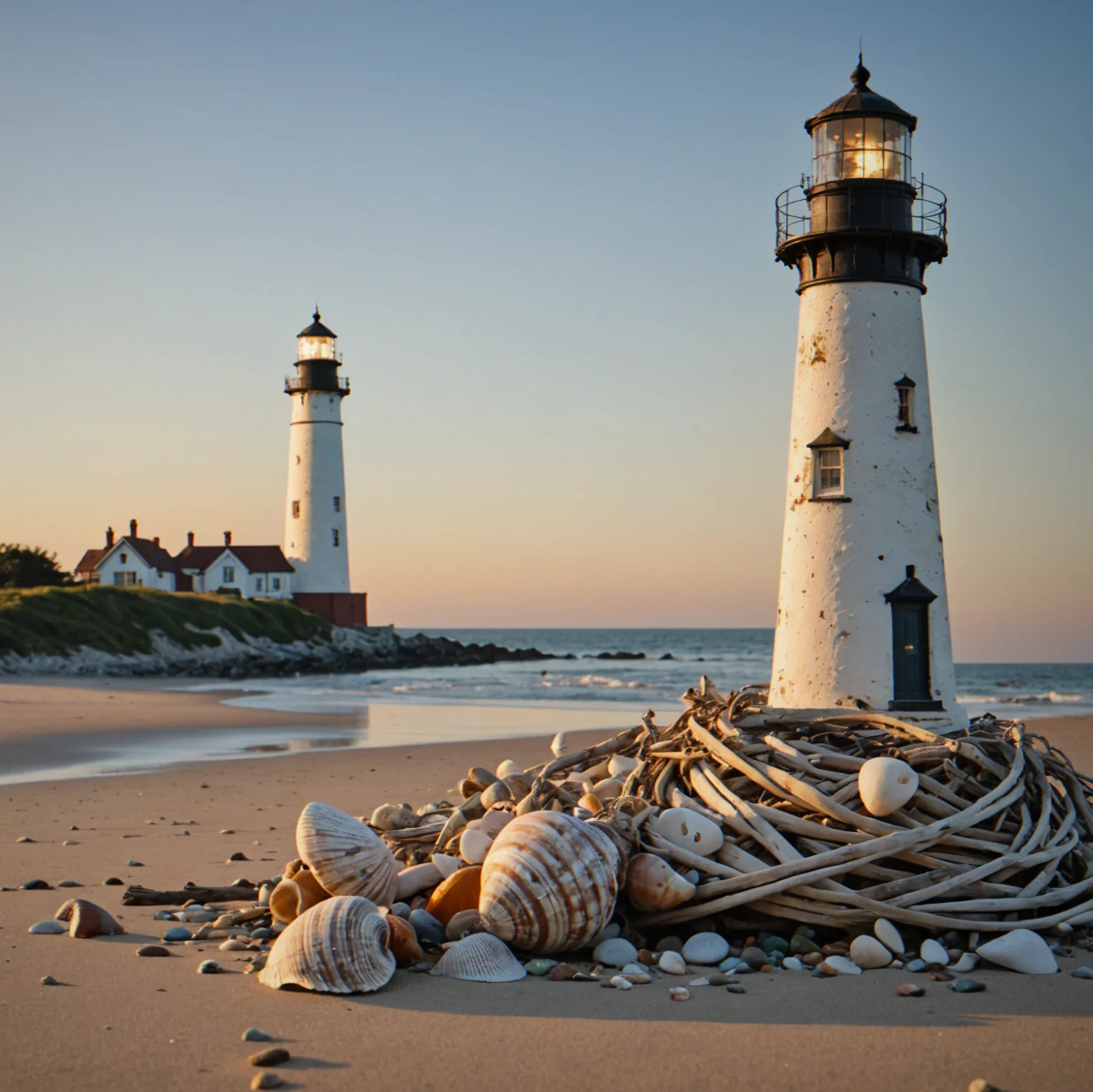
A coastal lighthouse viewed from the beach at dusk, with weathered details visible on the structure and keeper's cottage

The lighthouse marks time

One building. Fifteen years of logs spread across it. You find entries from different seasons, different decades. The keeper's handwriting shifts over time. What worries them changes. And if you're paying attention, you start to understand what actually happened—even though the game never comes out and tells you.

Rocky tide pools at low tide revealing anemones and sea glass, with the waterline visible in the distance

Tides reveal and hide

Things you see at low tide vanish when the water comes back in. Objects get rearranged. The whole geography of the shoreline shifts. So a single mile of beach becomes a different place depending on the tide. Water level isn't just something to look at—it actually changes how the place works.

An old wooden boathouse shown in four seasonal states: summeer with green moss, autumn bare, winter with snow, spring new growth

Seasons leave traces

Summer brings green growth creeping across the boathouse. Autumn strips it down to bare wood. Winter snow settles into every crack. Spring brings it all back. Walking the same path in different seasons is like reading how time moves. The beach keeps a record—and that matters.

A wide expanse of empty sand with subtle texture variations, a single piece of kelp and the horizon stretching far

What's the point of finding nothing?

You'll head out for twenty minutes and come back empty-handed. It's not a bug or filler. Walking without the pressure to solve anything, win anything, or keep some number going up changes how you pay attention. Just paying attention becomes enough.

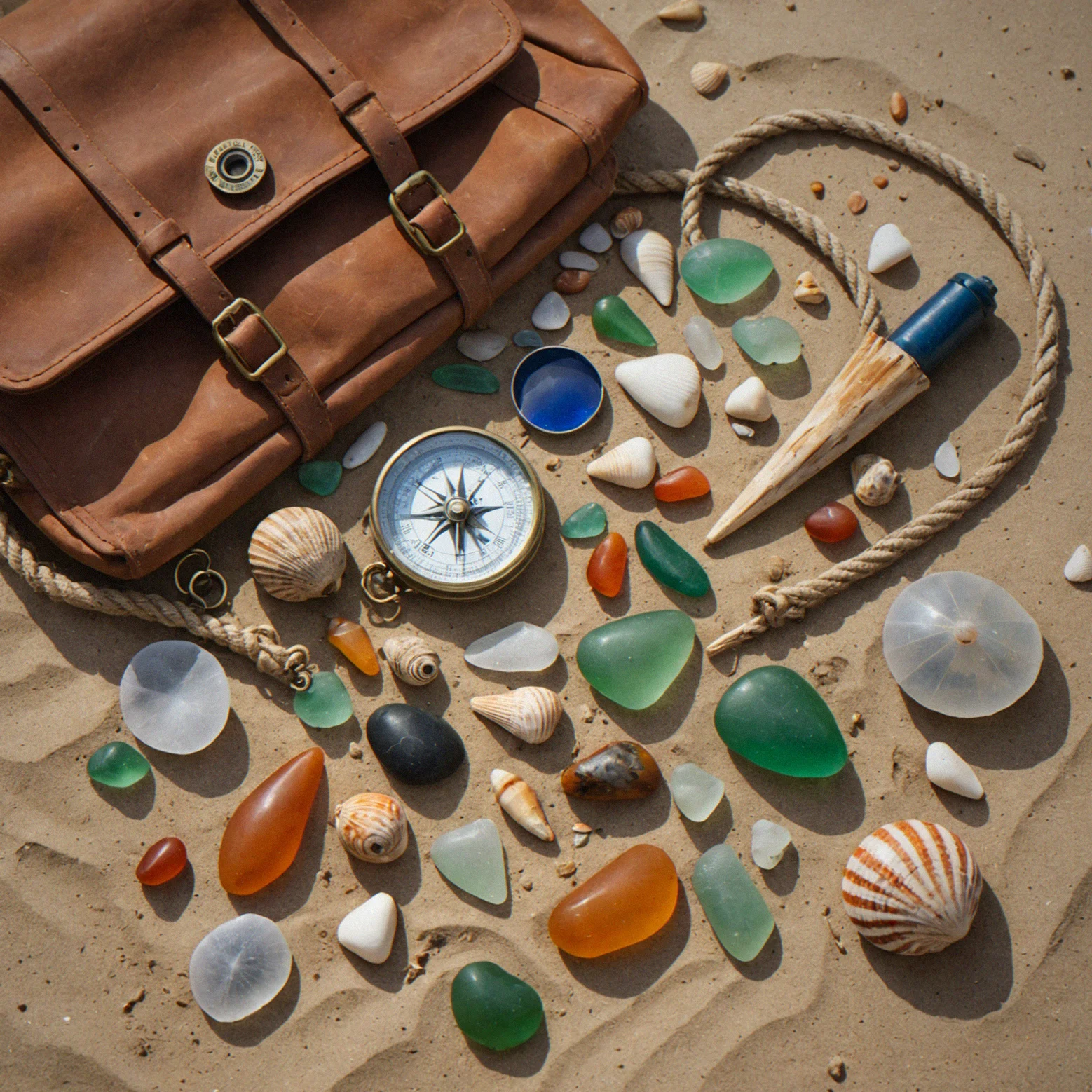
A worn canvas bag filled with carefully arranged found objects: a compass, photographs, sea glass and bits of rope

Your bag has limits

You've got a cloth bag that fits maybe eight to a dozen items, tops. Find something you want to keep and you have to decide what goes. Limits make things matter. Every object you carry exists because you decided it was worth it.

Multiple overlapping documents, journal entries and sketches spread across a surface showing different stories and timelines

Narrative branches don't meet

The lighthouse keeper's story. A family coming back across three generations. A shipwreck from 1987. Love letters that never got sent. A kid's sea glass collection sorted by shade and size. These stories exist in the same place but never touch. You pick which ones matter to you.

A player character standing at the water's edge at sunset, looking out toward the horizon with the same shoreline in background

Replaying feels different

The second time through takes maybe two to three hours instead of four to six. You already know what things mean. Details you missed the first time jump out at you. Some people come back each season—replaying in winter to see how the beach changes, or in summer to just sit on the virtual sand and think.

A gameplay screenshot showing the shoreline with minimal UI elements—no quest markers, no health bars, just the player's perspective and held objects in inventory
Logos for Windows, macOS, Nintendo Switch, PlayStation, and Xbox arranged horizontally on a neutral background
Technical details

Built for observation, not optimization

Quietshore works on hardware from 8 to 10 years back. Ray tracing? Not needed. 4K? Not required. The visuals lean toward representation rather than photorealism—colors pop just slightly, edges read cleanly. That's deliberate. A game built this way doesn't feel stale in five years the way cutting-edge graphics do. The environments are all hand-placed too, which means no loading screens cutting into the world. The shoreline is one continuous space. You move forward, the world appears around you, and the illusion that you're actually standing somewhere real never breaks.

2.4 GB
total file size
50
minutes of original ambient soundtrack

Gamepad support is there, and so is keyboard. The game doesn't demand lightning reflexes or pixel-perfect timing. The screen stays clean—no UI unless you ask for it. Accessibility covers the bases: colorblind modes for Deuteranopia, Protanopia, and Tritanopia, adjustable text sizes, and the ability to turn off motion blur. Text is available in English, German, French, Spanish, and Japanese. Voice acting barely exists—maybe 8 minutes across the whole game—and only shows up when quiet would feel wrong. The soundtrack is about 50 minutes of original ambient work, built from actual field recordings taken on Pacific Northwest beaches. You can listen to it on its own outside the game, and it genuinely works that way too.

Cross-platform availability
Runs on Windows through Steam, Epic Games Store, and GOG. Also on macOS, Nintendo Switch, PlayStation Store, and Xbox Store. Whether you're at a desk or playing handheld, the game adapts to where you are.
Includes digital artbook
64 pages showing the work behind the scenes. Concept sketches. Breakdowns of how hand-placement was done. You get to see how these beaches actually came together.
No forced updates or DLC
You're getting a finished game. No season pass waiting. No features locked for later purchases. No updates that rewrite the game years down the line.
Runs offline
Internet is optional. No account system. Fire it up and walk the beach without needing a connection.
Controller or keyboard
Both work fully. Controls can be remapped. Play however feels right—pad or keyboard, your choice.
Price: $19.99 USD
€17,99 / £15,99. Everything bundled in: the game, the artbook, and the soundtrack. One price for the complete thing.
Common questions

Answers about Quietshore

These are real questions from people trying to figure out if it's worth their time. Straight answers, no sales pitch.

It's a complete game. Your first run takes somewhere between four and six hours depending on how deep you go exploring. If you come back knowing the story beats, you can get through it in around two or three. The game has an ending. You reach it, credits roll, and you're finished—though plenty of people do return to it every so often just to spend time there again. This isn't an early access thing.

That really comes down to what you're looking for. If you need constant new areas to keep you engaged, this probably isn't it. But if you're someone who notices how light falls differently at different times, or how the landscape shifts with the seasons, or where new things have washed up—then the repetition is actually the whole thing. The shoreline's maybe a mile end to end. You'll walk it dozens of times. By your tenth time down there you're seeing it completely differently than you Were at the start.

You don't. Completion isn't required for the story to resolve. You might finish the game never knowing what became of the lighthouse keeper. The family history thread might pass you by entirely. That's actually okay—the story you end up with is the one you pieced together from what you found. Some people do replay specifically to catch the pieces they missed the first time, and that second pass hits completely different.

No action, no fights, no timers, no way to fail. You walk around, you look at things, you pick stuff up if you want to or you leave it. The game never pushes you or makes you feel rushed. There's no achievement tracker trying to pull you in different directions. It's genuinely just... peaceful in that way.

It'll run on machines from nearly a decade back without any trouble. No ray tracing, no 4K demands. The visual style is more illustrative than photorealistic—clean lines and colors that lean slightly warm. The install's just over two gigs. It was built to hold up over time rather than chase the latest tech. You can also play it on Switch, PlayStation or Xbox if you'd rather go that route.

Keep up with Quietshore. Get occasional updates from the shore.

We send notes about seasonal shifts, what's happening behind the scenes, and what's coming next. No marketing stuff. No spam. Just things worth telling you about.

Your privacy matters. You can unsubscribe whenever you want.